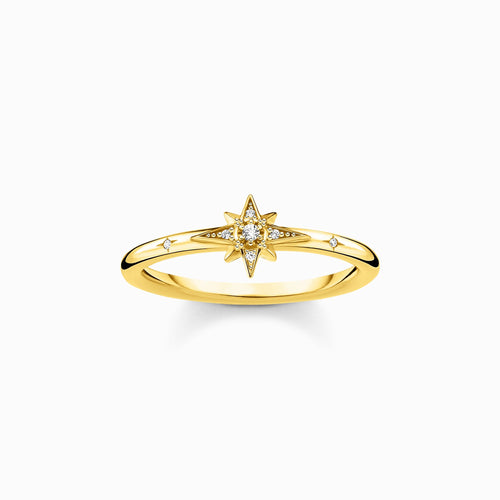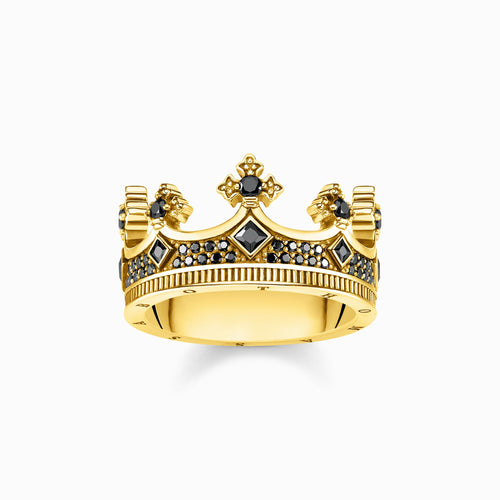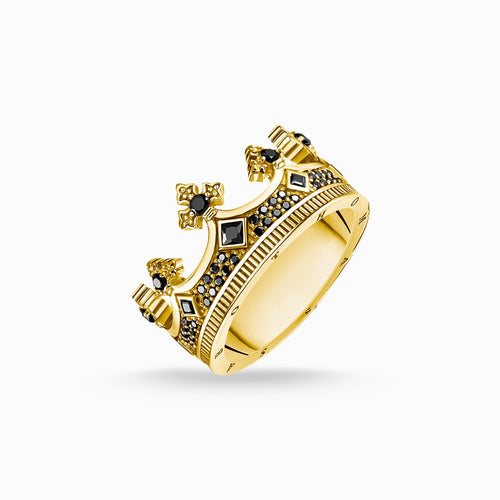


A beautiful piece does not need to arrive with a message already etched into it. Perhaps the birthday has passed, an engagement date has changed, or you have found the right words only after wearing the piece for a while. The answer to can jewellery be engraved later is usually yes - but the material, design and condition of the item decide whether it is a simple job or one best left alone.
Engraving turns a branded bracelet, a favourite pendant or a ring with personal history into something truly yours. Done well, it should look considered rather than added as an afterthought. The key is choosing the right placement, engraving style and wording before any tool touches the surface.
Can jewellery be engraved later without damage?
Most solid gold, sterling silver, stainless steel and platinum jewellery can be engraved after purchase. These metals provide a stable surface and, with the right technique, can take a crisp mark without compromising the piece. Flat areas on the inside of a ring, the back of a pendant, a bracelet plate or the case back of a watch are common choices.
That said, later engraving is not automatically suitable for every item. Jewellery with a very narrow band, heavily textured finish, detailed patterning or stones set close to the engraving area needs a closer inspection. A skilled engraver will assess the thickness of the metal, the available space and the setting before recommending a method.
The concern is not only whether an inscription can fit. Pressure, heat and vibration from engraving equipment can affect delicate settings or very fine jewellery if handled poorly. An experienced service team will protect stones, avoid weakening a thin section and tell you honestly when a different personalisation option would be safer.
Which jewellery is best for later engraving?
Simple, solid pieces offer the greatest flexibility. A plain wedding band, signet ring, cuff bracelet, disc pendant or ID-style chain is generally an excellent candidate. Their clean surfaces give the message room to breathe and leave enough metal for a lasting result.
Sterling silver is especially popular for personalised gifts because it engraves cleanly and suits both handwritten-style and traditional lettering. Gold is equally suitable, although softer high-carat gold needs a light, controlled touch. Stainless steel is durable and widely used in contemporary jewellery, but it is harder than precious metal, so the engraver needs equipment designed for it.
Plated jewellery requires more caution. Engraving through gold, rose gold or black plating can expose the base metal beneath and create a noticeable contrast. It may still be possible, particularly where a subtle mark is the intended look, but it is worth asking what the finished surface will look like before proceeding.
Pieces with enamel, resin, ceramic, mother-of-pearl or a highly polished coated finish may not be appropriate. The engraving itself can chip, crack or interrupt the coating. Likewise, hollow jewellery can be too thin to safely hold a deep inscription. If the item has sentimental value, a professional assessment is the sensible first step rather than taking a chance on an at-home tool.
When should you engrave jewellery?
There is no rule that says engraving must happen on the day of purchase. Waiting can be the better choice. A couple may want to confirm their wedding date before engraving rings, or a parent may prefer to add a child’s initials once they are born. For a graduation, anniversary or milestone birthday gift, engraving later makes the occasion feel current and personal.
It can also be practical to wait until a ring has been sized. Resizing a ring after it has been engraved can distort, remove or split the wording depending on where the alteration is made. If a size change is likely, complete that work first, then engrave the final fitted piece.
The same principle applies to repairs and refinishing. Deep scratches, dents and worn plating should be addressed before engraving where possible. Polishing after an inscription can soften very shallow lettering, while repair work near the engraved area may require the message to be restored afterwards.
Choosing the right engraving method
Different pieces call for different methods. Laser engraving is precise and ideal for detailed fonts, small surfaces, logos and even certain handwritten messages. It is often a strong choice for stainless steel and modern jewellery because it allows controlled, consistent detail.
Traditional mechanical engraving creates a physical cut into the metal. It has depth and character, making it a popular option for rings, signet pieces and heirloom-style jewellery. Hand engraving can add an especially individual finish, though it depends on the design, material and available space.
The best method is not always the deepest one. A bold inscription on a slim pendant can look crowded, while a delicate script may disappear on a textured surface. Ask to see the proposed layout, including the font size and placement, before approving the work. This is particularly helpful when you are adding initials, a date and a symbol in one small area.
At Watch Express, engraving can be arranged alongside jewellery repair and other on-site services in Blacktown, giving local customers a practical place to have the item assessed before work begins. If you are posting a piece from elsewhere in Australia, clear photographs and accurate measurements can help establish whether the requested inscription is suitable.
What should you engrave?
The most memorable inscriptions are often the simplest. Initials and a meaningful date work beautifully on rings and bracelets because they remain timeless. A short phrase, nickname or private reference can be more personal than a long declaration, especially when space is limited.
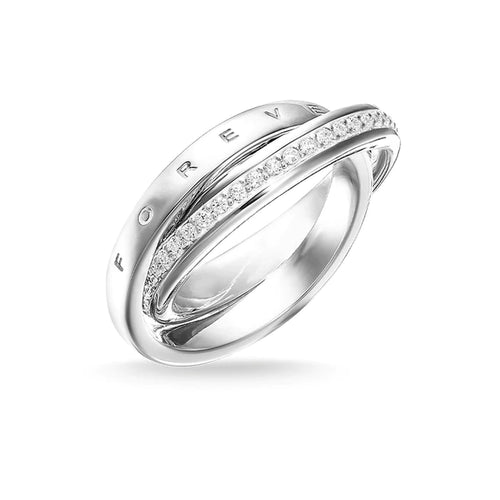
Think about how the jewellery will be worn. An inside-ring engraving is intimate and discreet. The back of a pendant is ideal for a personal note that stays close to the wearer. A bracelet plate can carry a more visible message, while a signet ring may suit initials, a monogram or a clean symbol.
Before deciding, write the exact wording down, including punctuation, capitals and date format. Australian dates can be written in several ways, such as 14.02.26 or 14 February 2026. Neither is wrong, but shorter formats leave more room and often look cleaner on smaller jewellery. Check every letter carefully - once metal has been removed, correcting a spelling error may require polishing away the original engraving and starting again.
Avoid trying to fit too much into a small area. A readable six-word message will have more impact than a tiny paragraph nobody can make out. If your sentiment is longer, consider splitting it across two pieces, such as matching pendants or the inside of both rings.
Preparing a piece for engraving
Bring or send the jewellery clean and in a secure pouch or box, particularly if it includes stones or delicate links. Let the engraver know if it has been repaired, resized, replated or previously engraved. These details can affect both the method and the expected finish.
If the piece is a surprise gift, confirm the message before handing it over. It is easy to second-guess wording at the last minute, but delays can matter around Christmas, Valentine’s Day, weddings and milestone celebrations. Allow extra time during busy gifting periods, especially if the piece also needs cleaning, repairs or resizing.
After engraving, care for the item as you normally would, with a little extra attention around the marked area. Keep it away from harsh chemicals, remove it for heavy work and store it separately from abrasive jewellery. Engraved metal will naturally develop character over time, and a professional clean can refresh the surrounding surface without erasing a properly cut inscription.
The right message does not have an expiry date. Whether you personalise a new purchase next week or add meaning to a piece you have owned for years, thoughtful engraving gives jewellery a reason to be kept, worn and remembered.
Gift Ideas For You