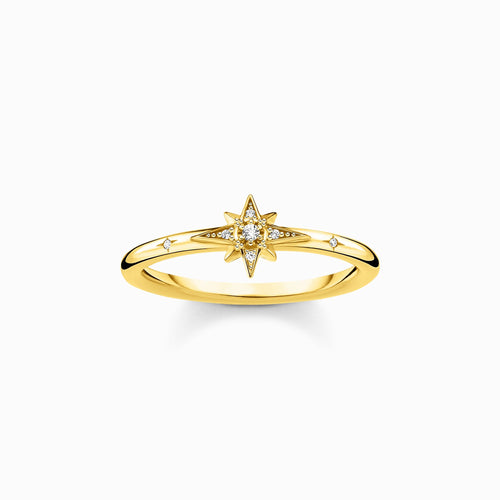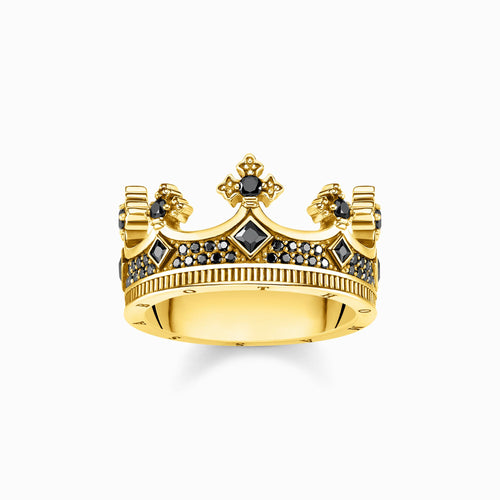


A gold-plated necklace can look flat after a few busy weeks of perfume, sunscreen, gym sessions and everyday wear. The good news is that you can clean gold plated jewellery at home without making the finish worse - provided you treat it more gently than solid gold.
Gold plating is a fine layer of gold applied over another metal. It gives earrings, chains, bracelets and rings their warm, polished look at a more accessible price, but that outer layer needs sensible care. Hard scrubbing, harsh cleaners and frequent soaking can wear it down faster, exposing the metal beneath.
Why gold-plated pieces need a gentler clean
Solid gold is gold throughout, while plated jewellery relies on its surface finish for both colour and shine. That does not mean it is too delicate to wear. It simply means the cleaning method matters.
Sweat, skin oils, make-up and moisturiser can leave a cloudy film on the surface. In Australia, sunscreen is another common culprit, particularly on necklaces, bracelets and rings worn through warmer months. Cleaning away that residue helps restore the appearance of the piece, but abrasive products can remove more than the residue.
This is also why a jewellery cloth marketed for solid gold is not automatically right for plating. Some polishing cloths contain compounds designed to lift tarnish from metal. On a plated surface, repeated use may gradually reduce the gold layer instead of just brightening it.
How to clean gold plated jewellery at home
For most fashion jewellery, the safest approach is simple: use a soft, dry microfibre cloth first. Gently wipe the piece in small, light motions to remove fingerprints, surface dust and fresh product residue. Do not press hard around edges, clasps or raised details, where plating can naturally wear first.
If the jewellery needs more than a dry wipe, dampen a clean, soft cloth with lukewarm water. It should be barely damp, not dripping. Wipe the item carefully, then immediately dry it with another soft cloth. Allow it to sit fully dry before placing it back in a box, pouch or jewellery organiser.
For a stubborn smudge, a very small amount of mild, diluted soap on the cloth can help. Keep the contact brief and avoid immersing the piece in water. Follow with a second cloth lightly dampened with plain water to remove soap traces, then dry thoroughly.
The key is restraint. Gold-plated jewellery does not respond better to a longer clean or a stronger product. A light clean done when needed is far safer than trying to restore shine with vigorous polishing after months of build-up.
Clean around stones, pearls and details carefully
Jewellery with crystals, pearls, enamel, glued stones or delicate settings needs extra attention. Water can work its way behind a glued stone, while soap residue can settle in tiny gaps. Clean these pieces with a dry soft cloth wherever possible, working around the setting rather than pushing moisture into it.
Pearls should never be soaked, and textured or engraved jewellery should not be scrubbed with a toothbrush. Even a soft brush can catch on plating or loosen fine details over time. If dirt has collected in a difficult area, professional assessment is the safer option.
What not to use on gold-plated jewellery
The products that make solid metal sparkle are often the wrong choice for plated pieces. Skip jewellery dips, silver polish, metal cleaners, toothpaste, baking soda and rough paper towel. They may seem like quick fixes, but they can scratch, dull or strip the finish.
Ultrasonic cleaners are also best avoided unless the jewellery maker specifically confirms the piece is suitable. The vibration may affect delicate settings, coatings and glued components. The same applies to steam cleaners, which can force heat and moisture into areas you cannot see.
Chlorine deserves special mention. Remove plated jewellery before swimming in a pool or spa, and keep it away from household bleach and cleaning sprays. Chlorine can damage plating quickly and may alter the appearance of the base metal underneath.
Everyday habits that keep plating looking better
Cleaning is only one part of care. The way you wear and store a piece will make a bigger difference to how long it keeps its colour.
Put jewellery on last when getting ready. Apply moisturiser, fragrance, hair products and sunscreen first, then allow them to settle before fastening your earrings, chain or bracelet. At the end of the day, take jewellery off before removing make-up or applying skincare.
It is wise to remove plated jewellery before showering, exercising, swimming, washing dishes or doing physical work. Occasional accidental contact with water is not usually a disaster, but repeated exposure adds up. Rings in particular face more hand wash, sanitiser, cleaning products and knocks than other pieces, so they often need more regular care.
Storage matters too. Keep each item dry and separate where practical, rather than letting chains, rings and earrings rub against one another in a loose drawer. A soft pouch, lined compartment or jewellery box reduces scratches and helps prevent chains from tangling. Close clasps before storing necklaces so they do not snag.
When the finish has worn away
A dull surface is not always dirt. If the underlying metal is showing through, especially around ring bands, clasps, pendant edges or earring posts, cleaning cannot replace the lost gold layer. Trying harder with polish will usually make the worn area more obvious.
At that stage, consider whether the piece is suitable for professional replating or repair. This depends on its construction, sentimental value and the condition of any stones or settings. For a favourite item with a loose clasp, damaged link or broken chain, a jewellery repair may be worthwhile even if replating is not the right option.
For customers in Western Sydney, Watch Express offers on-site jewellery repair services in Blacktown, with practical advice available for pieces that need more than a home clean. If you are posting an item for assessment, protect it in a small pouch or wrapped container so it cannot move around in transit.
A note on gold vermeil and heavier plating
Gold vermeil is generally sterling silver covered with a thicker layer of gold than standard gold-plated jewellery. It can offer excellent wear, but it should still be cleaned gently. Thickness, base metal, finish and how often you wear the piece all influence its lifespan.
That is why there is no single timetable for cleaning. A necklace worn occasionally may only need a quick wipe after each outing and a more careful clean every few months. A ring worn daily may need gentle attention more often because it comes into contact with far more products and moisture.
Make care part of wearing it
The best time to clean gold-plated jewellery is before grime becomes visible. A soft wipe after wearing takes seconds, protects the finish and makes the occasional deeper clean much easier. Treat each piece as the finishing touch to your outfit, not something that has to withstand every part of your routine, and it will stay polished for longer.
Gift Ideas For You