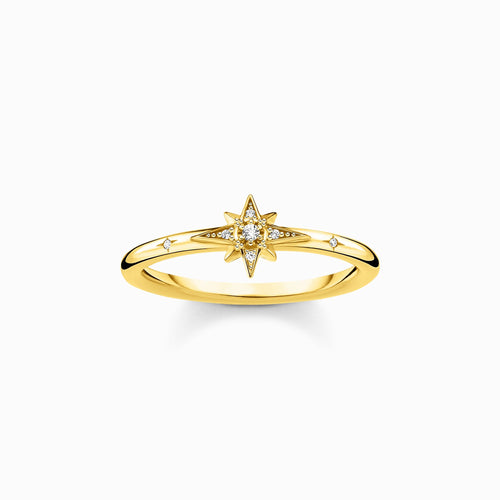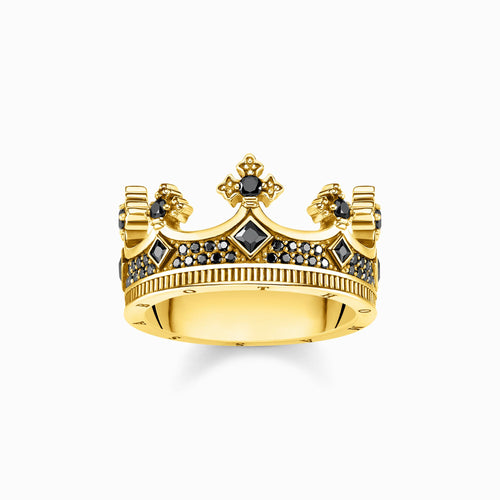


A silver chain can look dull after a few wears, while a favourite ring may darken even when it has been sitting in its box. That is tarnish, not a sign that your jewellery is poor quality. Knowing how to polish silver jewellery safely means bringing back its shine without thinning the metal, scratching a mirror finish or damaging the details that make the piece special.
The right method depends on what you are cleaning. Solid sterling silver can usually take a gentle polish. Silver-plated jewellery, oxidised designs, pearls, enamel and many stone-set pieces need a much lighter touch. Before you reach for a cleaning product, identify the finish and choose the least aggressive option that will do the job.
Start by checking what your jewellery is made of
Look for a stamp such as 925, which usually indicates sterling silver. Sterling silver is made from 92.5% silver blended with other metals for strength, and it naturally reacts with sulphur compounds in air, moisture, perfume and skincare products. The resulting tarnish can appear yellow, brown, grey or nearly black.
A piece described as silver plated has a very thin layer of silver over a base metal. It may look identical to sterling silver when new, but heavy rubbing and abrasive polishes can wear through that surface. If you are unsure whether a piece is solid silver or plated, treat it as plated until you can confirm otherwise.
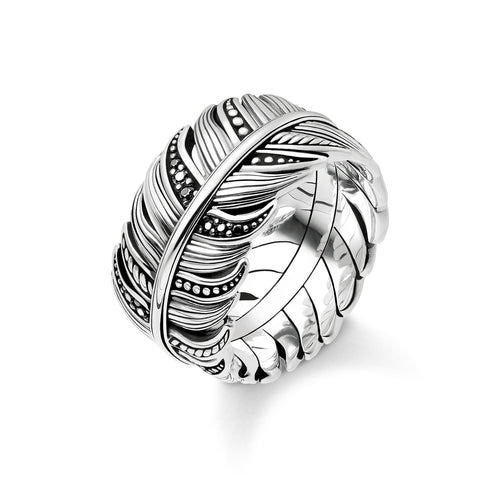
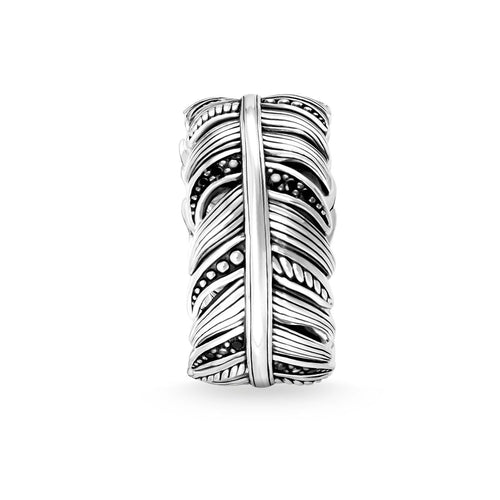
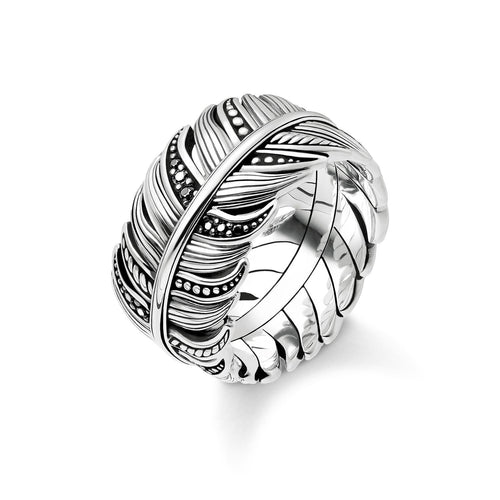
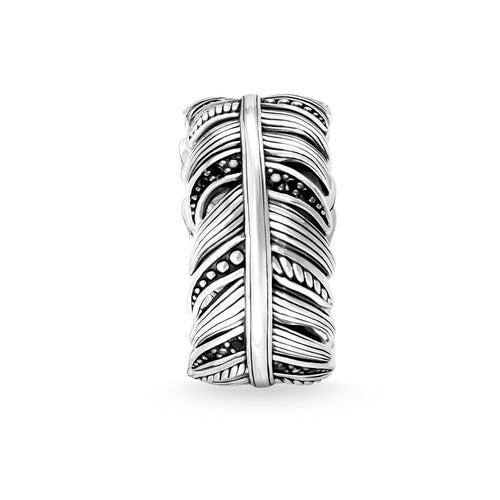
Also check for an intentionally darkened finish. Oxidised silver is designed with blackened recesses that give patterns, charms and engraved details more contrast. Polishing the entire piece can remove this finish and change its original look. The same caution applies to jewellery with pearls, opals, turquoise, coral, enamel, glued stones or delicate antique settings.
The safest way to polish silver jewellery
For most plain sterling silver jewellery with light tarnish, a clean, dry silver polishing cloth is the best starting point. Use a soft cloth made specifically for silver, and gently rub small areas using light pressure. Turn the cloth regularly as it picks up tarnish. There is no need to scrub hard - patient, light polishing is more effective and far kinder to the surface.
Work in good light so you can see the finish changing. Pay attention to flat, high-shine sections of rings, bangles and pendants, as these show fine scratches most easily. On chains, hold a short section loosely in the cloth and draw it through once or twice rather than repeatedly twisting or pulling it.
For jewellery that is slightly grimy from daily wear, clean it before polishing. Add a small amount of mild, phosphate-free dishwashing liquid to lukewarm water, then use a very soft toothbrush or soft cloth to clean plain sterling silver. Rinse carefully and dry immediately with a lint-free cloth. Once fully dry, use the polishing cloth only where tarnish remains.
Never polish wet jewellery. Moisture can sit in links, settings and clasps, encouraging more tarnish later. It can also be a problem for pieces with glued stones or materials that do not tolerate water.
Use silver polish only when a cloth is not enough
A purpose-made silver polish can lift heavier tarnish from plain sterling silver, but it is not an everyday cleaner. Choose a product clearly labelled as suitable for silver jewellery, follow its instructions closely and use only a very small amount. Apply it with a soft cloth, keep it away from stones and crevices, then remove all residue carefully.
Polish works by removing tarnish from the surface. Every polishing session is therefore a trade-off: it improves brightness, but overuse can gradually soften fine engraving and wear at plated surfaces. Save stronger polish for occasions when a polishing cloth cannot restore the finish.
When not to use DIY cleaning methods
The internet is full of quick silver-cleaning tricks involving bicarbonate of soda, aluminium foil, toothpaste, vinegar or lemon juice. They may create a dramatic before-and-after result, but they are not the safest default for jewellery you want to keep looking good for years.
Toothpaste is abrasive and can leave fine scratches, particularly on polished silver and plated pieces. Bicarbonate mixtures can also be too abrasive when rubbed onto jewellery. Vinegar and lemon are acidic, which makes them unsuitable for many stones, finishes and jewellery with adhesive-set components. Aluminium-foil methods use a chemical reaction that may strip intentional oxidation and can be unpredictable with mixed materials.
Avoid ultrasonic cleaners unless the jewellery maker confirms the item is suitable. The vibrations can loosen stones, affect glued settings and damage fragile gems or enamel. They are not a shortcut for every ring, bracelet or pendant.
Take extra care with stones and special finishes
Pearls should only be wiped with a soft, slightly damp cloth and then dried straight away. Opals, turquoise, emeralds, coral and amber are also poor candidates for soaking or chemical cleaners. For these pieces, polish only the exposed plain silver with a carefully folded cloth, keeping well away from the stone.
With oxidised jewellery, polish the raised silver sections only. Do not work polish into darkened lines, texture or engraving. A cotton bud wrapped in a tiny piece of polishing cloth can help you target a narrow area, though it is better to stop early than accidentally remove the contrast finish.
For silver-plated jewellery, use a dry, non-abrasive cloth and minimal pressure. If the plating has worn away, more polishing will not restore it. Professional replating or repair may be the better option, particularly for a sentimental piece or a gift worth preserving.
A practical cleaning routine for everyday silver
Silver stays brighter when it is cleaned lightly and regularly rather than left until tarnish becomes heavy. After wearing a ring, bracelet or necklace, give it a quick wipe with a soft dry cloth to remove skin oils, lotion and perspiration. This simple habit is often enough to reduce how often you need to polish.
Put jewellery on after perfume, hairspray, sunscreen and moisturiser have settled. Remove it before swimming, showering, exercising, cleaning or using household chemicals. Chlorine is particularly harsh on silver and can damage settings as well as dull the surface.
Store each piece dry, preferably in a soft pouch or a lined compartment that limits contact with air and other jewellery. Keeping necklaces fastened helps prevent tangles, while separating rings and bangles prevents avoidable scratching. Anti-tarnish strips can be helpful in a jewellery box, but they do not replace sensible storage.
Signs your piece needs professional attention
Tarnish is normal. Loose stones, bent claws, broken clasps, stretched links and deep scratches are repair issues, not polishing jobs. Do not try to disguise these problems with extra cleaning. Pressure from polishing can worsen an already loose setting, and chemicals may collect in damaged areas.
A professional assessment is also worthwhile for heavily tarnished heirloom jewellery, intricate vintage pieces or items with unknown metal content. These need judgement as much as cleaning. The goal is not always to make old jewellery look factory-new - sometimes preserving its original finish and character is the right result.
For customers in Western Sydney, Watch Express offers on-site jewellery repair in Blacktown, which is useful when a piece needs more than a careful clean. If you are posting an item for repair, pack it separately in a soft pouch or wrapped cloth so it cannot rub against other jewellery in transit.
Keep the shine, not the damage
The safest approach is also the simplest: start with a soft polishing cloth, use mild cleaning only for plain sterling silver, and avoid aggressive home remedies. If a piece has plating, stones, oxidation or sentimental value, less polishing is usually the smarter choice. A gentle routine protects the finish now and keeps your jewellery ready to wear for the moments that matter.
Gift Ideas For You