
A plain gold bar pendant can look perfect in a display tray - and still feel a bit anonymous once it’s on your chain. The moment you add a date, a name, or even a private message on the back, it stops being “nice jewellery” and starts being yours. That’s the real value of a jewellery engraving service: it turns a good-looking piece into a personal one, without changing your style.
Engraving is also one of the few upgrades that works for almost every kind of buyer. It suits the last-minute gift run, the milestone planner, and the person who simply wants their everyday jewellery to have meaning. But getting a great result depends on details most people don’t think about until they’re at the counter - what metal you’ve got, how much space there is, what font suits the piece, and whether the engraving will still look sharp after years of wear.
What a jewellery engraving service can do (and what it can’t)
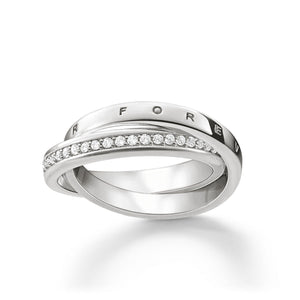
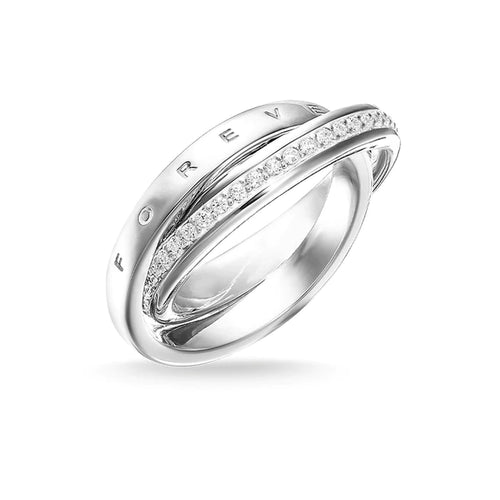
Engraving is the controlled removal of a tiny amount of material to create letters, numbers, symbols, or simple artwork. On jewellery, it’s usually done on the back of a pendant, inside a ring band, on a bracelet plate, or on the clasp. The best engraving looks intentional - centred, evenly spaced, and sized to suit the piece rather than squeezed in as an afterthought.
What you can engrave depends on the surface. A flat, polished area gives you the cleanest outcome. Curved surfaces can be engraved too, but there’s less room for error in alignment and spacing, and very small text can become harder to read.
There are limits worth knowing before you commit. Highly textured surfaces, very thin pieces, or items with delicate coatings can be poor candidates. Some plated jewellery can engrave, but the finish may not behave the way solid metal does, and heavy wear can reveal contrasts in the layer beneath. If you’re engraving something sentimental or expensive, it’s fair to ask the service provider to inspect the piece first and talk you through the trade-offs.
Choosing what to engrave: less text, more impact
Most engraving regrets come from trying to say too much in a space designed for very little. The best messages read clearly at a glance and still feel meaningful years later.
A date is the classic for a reason. It’s compact, it ages well, and it doesn’t rely on a trend. Initials work the same way, especially on minimal jewellery where you don’t want the engraving to compete with the design.
If you want words, keep them tight and intentional. Two to five words often land better than a full sentence, and they’re far less likely to be reduced to tiny lettering that’s hard to read. For couple gifts, consider using the same phrase split across two pieces, or one word that only you both understand. For family gifts, a child’s name and birthdate is a clean, lasting choice.
Symbols can be brilliant, but they depend on the engraving method and the size available. Hearts and infinity marks are common because they translate well at small scale. More detailed icons can be possible, but you’ll want realistic expectations - jewellery isn’t a billboard.
Fonts, layouts, and placement: the details people notice
Font choice is where engraving becomes “designed” rather than “added”. A modern sans serif suits contemporary jewellery and clean lines. A script font can feel romantic, but it can also become hard to read if it’s too small or if the metal has reflections.
Layout matters just as much. Centring the text and matching the scale to the piece is what makes it look premium. On a bracelet plate, a single centred line often looks sharper than multiple lines stacked. On the inside of a ring, slightly larger text is usually better than tiny, overly fine engraving that disappears with wear.
Placement is practical as well as aesthetic. The inside of a ring is protected, so it stays crisp longer. The back of a pendant gets less abrasion than the front, but it still rubs against clothing and can pick up scratches over time. If the piece will be worn daily - gym, work, commuting - ask about the most durable placement option.
Engraving methods and what they mean for durability
Not all engraving is equal. The method used affects sharpness, depth, and how the engraving ages.
Machine engraving is common for jewellery because it’s consistent, clean, and efficient. It can produce crisp lettering and reliable alignment, which is ideal for names, dates, and standard fonts.
Laser engraving is often chosen for fine detail and precise control, especially on smaller areas. It can create very neat, accurate results, but the look can be different depending on the metal and finish. Some laser marks can appear slightly darker or more matte against polished surfaces.
Hand engraving is less common in everyday retail settings, but it’s valued for its artisan feel. It can look incredible on the right piece, yet it relies heavily on the engraver’s skill and usually costs more.
Durability comes down to depth and wear. Very shallow engraving can fade faster on pieces that take knocks or constant friction. Deeper engraving will generally last longer, but it needs to be executed well so it doesn’t look heavy-handed. The right answer depends on what you’re engraving and how the jewellery will be worn.
Cost and timing: what affects the price
Engraving isn’t priced like a standard product because it’s a service with variables. The key drivers are the size of the engraving, the number of characters, the complexity of the font or artwork, and the material. Some metals and finishes take more time to engrave neatly.
Turnaround time also depends on workflow. If engraving is done on site, it’s often quicker and easier to manage, especially if you want to see placement before it’s final. If it’s outsourced, timing can stretch out, and last-minute changes become harder.
If you’re engraving for an event - a birthday, engagement, anniversary, or graduation - aim to organise it earlier than you think you need. Not because engraving is slow, but because the best results come when no one is rushing decisions on wording and layout.
Preparing your jewellery for engraving
If you’re bringing in an existing piece, a quick check can save disappointment. Look for dents, deep scratches, or areas where the surface isn’t truly flat. Engraving over damage can make alignment tricky and may highlight imperfections.
Cleaning matters too. Oils and residue can interfere with marking and visibility when setting up the design. A professional service will typically handle preparation, but it helps if the piece arrives in reasonable condition.
If the jewellery has stones, especially near the engraving area, mention it. It doesn’t always change what’s possible, but it can affect how the piece is held during engraving and how much pressure is safe.
Common mistakes (and how to avoid them)
Spelling errors are the obvious one, but they’re more common than people admit - especially with initials and dates when you’re multitasking. Double-check everything, then check it again. If you’re engraving a date, confirm the format you want (day-month-year is typical here) and stick to it.
Overcrowding is the second. If you’re trying to fit a long message on a small pendant, the engraving will either be too small to read or it will look cramped. A good jewellery engraving service will guide you towards a cleaner, more balanced option, even if that means shortening the text.
The third is choosing a font that doesn’t match the piece. A highly ornate script on a sharp, modern chain can look mismatched. Likewise, a blunt block font on a delicate, feminine piece can feel too heavy. When in doubt, pick a simple font and let the jewellery design do the talking.
When engraving makes the most sense (and when it doesn’t)
Engraving is perfect for gifts where you want meaning without guessing someone’s style too much. A minimal pendant, a bracelet plate, or a classic ring becomes instantly more thoughtful with a discreet message. It’s also a strong option for milestones where the date matters - 18th, 21st, anniversaries, new baby, retirement.
It’s not always the best move for trend pieces you might resell later. Engraving can reduce resale value or make it harder to pass the piece on. If that matters to you, consider engraving something removable like a charm, or choose an inside placement that feels more private.
There’s also the question of permanence. Engraving can sometimes be polished out, but that depends on depth, metal thickness, and how much material can safely be removed. Treat engraving as a commitment, not a sticker.
Getting it done locally or by post
If you’re in Sydney’s west, there’s a practical advantage to using an on-site service: you can confirm the layout, approve positioning, and avoid the back-and-forth that comes with shipping. For customers outside the area, postal service can still be a good option, but it’s worth being extra clear about your wording, font choice, and placement notes.
If you want engraving handled alongside repairs or sizing, choosing a retailer with in-house capability can be more efficient. For example, Watch Express offers on-site services and engraving as part of a broader repair menu, which suits shoppers who want the piece personalised and sorted properly in one visit.
What to write: quick inspiration that won’t date badly
If you’re stuck, start with the simplest version of the truth. The strongest engravings usually sound like something you’d actually say, not something copied from a card aisle.
Names and dates stay timeless. Initials and a short location can be surprisingly meaningful. If you want something more emotional, keep it short: “Always”, “My person”, “Come home”, “For keeps”. Even a single word can do the job if it’s specific to your story.
And if it’s a gift, remember this: the wearer doesn’t need a long message to feel the impact. They just need to recognise that you made the effort to make it theirs.
A good engraving isn’t about filling space. It’s about choosing the one line you’d still stand by in ten years - then putting it somewhere it’ll be found at exactly the right moment.
Gift Ideas For You