

A broken clasp does not always mean the end of a favourite necklace, and a dull, scratched ring is not necessarily beyond help. The best jewellery restoration examples show how much life can be returned to pieces that carry daily wear, sentimental value or a story worth keeping. From a chain that has snapped at the worst time to an inherited ring with a loose stone, restoration is often a more personal choice than replacement.
Jewellery restoration examples that make a difference
Restoration is broader than a quick fix. A repair usually resolves one fault, such as replacing a clasp or soldering a break. Restoration may involve cleaning, rebuilding worn sections, securing stones, refinishing surfaces and returning the piece to a condition that feels wearable again. The right approach depends on the metal, design, age and condition of the jewellery.
A snapped chain restored without losing its shape
Fine chains are especially prone to damage around a link, jump ring or clasp. A clean break in sterling silver or gold can often be soldered and polished so the repair is discreet. The jeweller will check that the surrounding links are still strong, because fixing one break will not help much if the chain has become thin across several sections.
For a sentimental pendant necklace, the repair may also include replacing a worn jump ring or fitting a sturdier clasp. This is a practical upgrade that makes everyday wear less stressful while keeping the original look intact. Very delicate chains may need a more visible repair, particularly if material has been lost, but a clear assessment lets you decide whether restoring it is worthwhile.
A loose stone reset before it is lost
A stone that catches on clothing, moves in its setting or makes a faint clicking sound needs attention. In many rings, the issue is worn claws. Over years of wear, gold claws can rub down, bend outward or crack, leaving a diamond or coloured stone less secure than it appears.
Restoration can involve retipping the claws, rebuilding them with matching metal or replacing the entire setting head where wear is extensive. The aim is to hold the stone securely without changing the ring's proportions or covering too much of the gem. For an engagement ring or heirloom piece, this preventative work is often far preferable to searching for a lost stone later.
An heirloom ring resized for a new wearer
Family jewellery is frequently passed down in a size that does not suit the next owner. A straightforward resize can make an unworn ring part of someone’s regular collection again. Depending on the design, the shank may be cut and adjusted, then soldered, shaped and polished.
Not every ring can be resized in the same way. Bands with stones all the way around, engraved patterns, tension settings or mixed materials need more careful planning. A jeweller may recommend sizing beads, a ring guard or a redesign if altering the band would compromise the pattern or stone security. With older jewellery, preserving hallmarks and original details matters just as much as achieving the correct fit.
A worn wedding band rebuilt at the base
The underside of a ring takes most of the impact from desks, gym equipment, steering wheels and everyday work. Over time, the band can become visibly thin or flat, especially on softer gold alloys. A thin shank is more than a cosmetic issue. It can bend, split or place extra strain on the setting above it.
Re-shanking replaces or reinforces the worn lower section of the band. The jeweller matches the metal and profile as closely as possible, then blends the work into the original ring. It is a common restoration for wedding bands, signet rings and engagement rings that have been loved for decades. There is a trade-off: adding metal changes the piece slightly, but it gives a fragile ring the strength to be worn with confidence.
A tarnished silver piece brought back to life
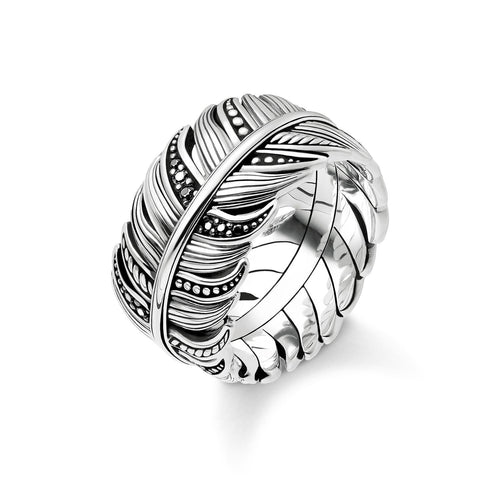
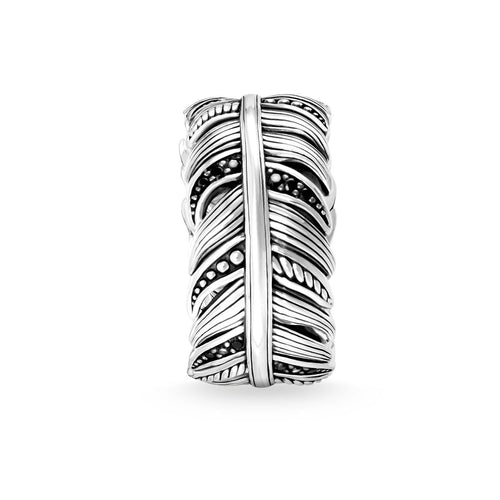
Sterling silver naturally tarnishes when exposed to air, moisture, perfume, lotions and storage conditions. Blackened areas can make a bracelet or pendant look neglected, even when it is structurally sound. Professional cleaning and polishing can restore brightness, while careful finishing protects intentional oxidised details found in many modern designs.
This distinction matters. Some jewellery is designed with dark recesses to create contrast and definition. Aggressive polishing can remove that character. A skilled clean should suit the finish of the piece, whether it is high shine, satin, oxidised or textured. At home, a soft jewellery cloth is useful for light maintenance, but it will not fix deep scratches, damaged plating or loose fittings.
A broken clasp upgraded for everyday wear
Clasps are small components with a big job. A lobster clasp that no longer closes cleanly, a stiff bracelet catch or a weakened safety chain can stop a piece being worn altogether. Replacing the clasp is often one of the most effective jewellery repairs because it improves both function and peace of mind.
The best replacement is not always an identical one. A person with limited dexterity may benefit from a larger, easier-to-operate clasp. A heavy pendant may need a stronger fitting than the original. For a bracelet with high sentimental value, adding a safety chain can offer useful backup without taking attention away from the design.
When restoration should preserve, not transform
Some jewellery needs careful conservation rather than a bright, new-looking finish. Antique pieces can show their age through hand engraving, softened edges, patina and original construction methods. Removing every mark may reduce the character that makes the item special.
Before work begins, consider how you want to wear the piece. If an antique brooch will remain a keepsake, minimal stabilisation and gentle cleaning may be enough. If it is becoming an everyday pendant, a conversion could make sense, but it should be discussed as a design decision rather than treated as a routine repair. Photographs and a detailed condition check are valuable before any substantial work, particularly for inherited jewellery.
Plated fashion jewellery also needs an honest assessment. Replating can refresh the colour of a faded gold-tone finish, but the longevity depends on wear habits, skin chemistry and the quality of the base metal. A heavily worn plated ring may look excellent after restoration, yet it may not be the right piece for daily handwashing, gym sessions or household cleaning.
What to check before handing over a piece
A proper jewellery repair assessment starts with more than the obvious fault. Stones should be checked for movement, clasps tested, links inspected and worn metal identified. Ask what work is essential for safe wear and what work is optional cosmetic improvement. That gives you a clearer choice when working within a budget.
It also helps to tell the jeweller how often you wear the item and whether it has sentimental value. A necklace worn once a year needs a different solution from a bracelet worn every day. If you are posting jewellery for repair, use the provider’s packaging and booking instructions carefully, keep photographs for your records and avoid sending loose items without secure protection.
For Blacktown and Western Sydney customers, Watch Express can assess jewellery repairs on site, making it easier to discuss the condition of a piece in person. For customers further away, a structured postal repair service can be a practical option when a local visit is not possible.
Keeping a restored piece looking its best
Once jewellery has been restored, small habits help protect the work. Put rings and bracelets on after applying perfume, moisturiser and hair products. Remove jewellery before swimming, exercise, gardening or using cleaning chemicals. Store chains separately so they do not knot or rub against harder pieces, and keep silver in a dry, enclosed space when not in use.
A quick check every few months can prevent another unexpected break. Look for snagging claws, bent posts, loose stones, thinning bands and clasps that do not close firmly. Jewellery is made to be enjoyed, but it also benefits from the same practical care given to a favourite watch or a well-used pair of shoes.
The most meaningful restorations are not always the dramatic before-and-after jobs. Sometimes it is simply the repaired clasp that lets someone wear a gift again, or the strengthened ring that keeps a family story in daily view. If a piece still matters to you, it is worth finding out what skilled restoration can preserve.
Gift Ideas For You