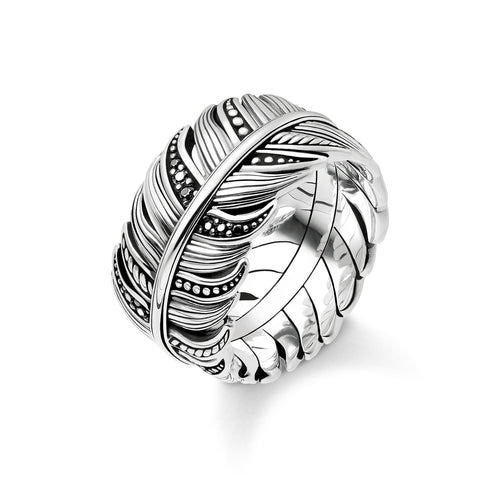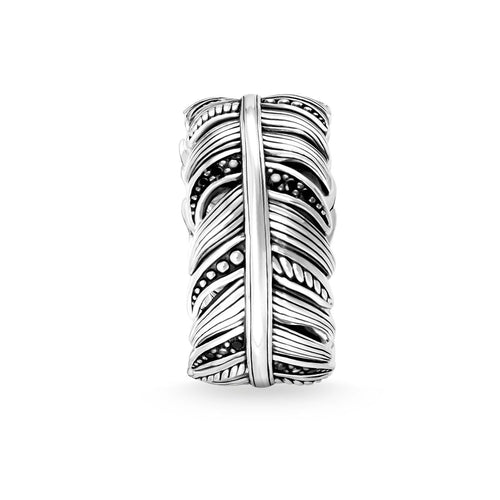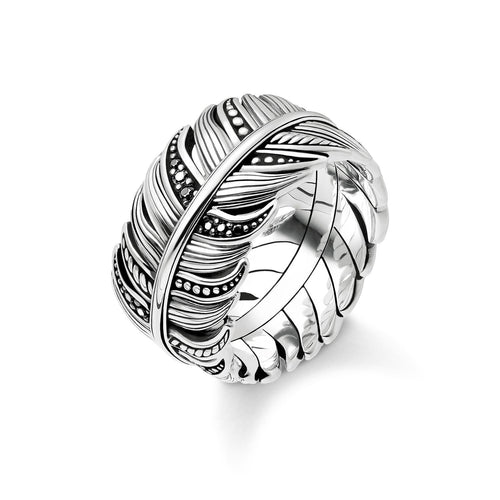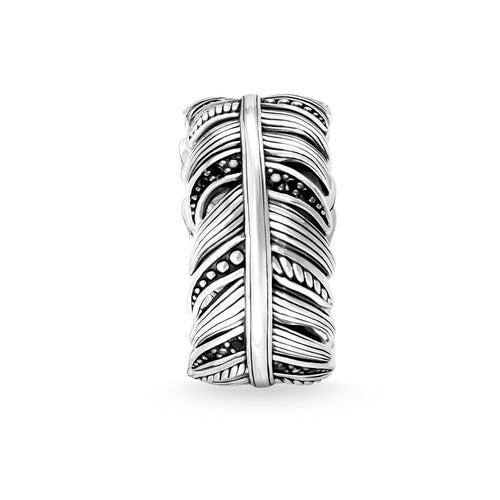


A ring can look brilliant under shop lights, then tell a very different story six months into daily wear. That is the real question behind sterling silver versus plated jewellery: not simply which looks better on day one, but which suits your routine, budget and expectations once it is worn, cleaned, packed for weekends away and occasionally forgotten in the bathroom.
Both materials have a place in a well-chosen jewellery collection. Sterling silver offers a precious-metal foundation that can be maintained for years. Plated jewellery makes current looks, warm gold tones and statement styles more accessible. The smarter choice depends on how often you will wear it and how much care you are happy to give it.
Sterling Silver Versus Plated Jewellery: The Core Difference
Sterling silver is a solid metal alloy. It is made from 92.5% pure silver, with the remaining percentage usually copper or other metals added for strength. Pure silver is relatively soft, so sterling silver is more practical for rings, chains, earrings and bracelets designed to be worn regularly.
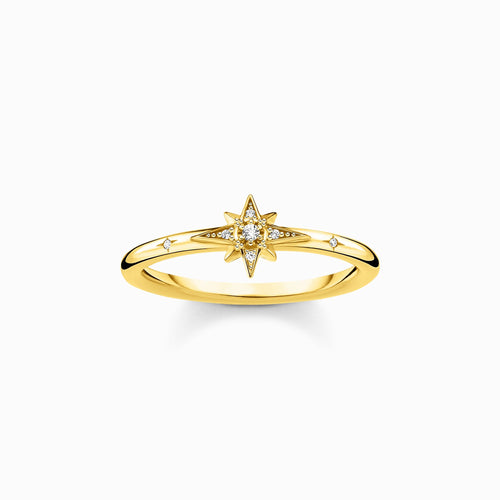
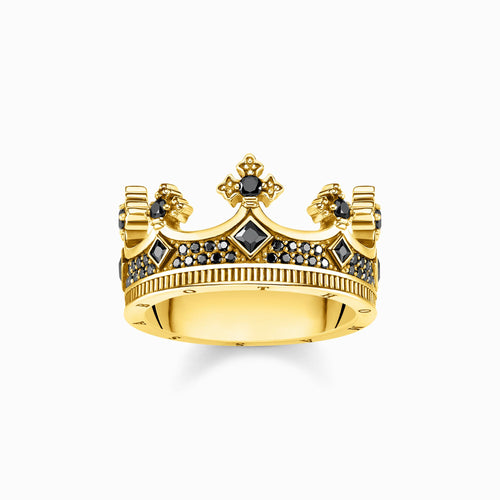
Plated jewellery has a base metal, often brass, stainless steel or another alloy, finished with a thin layer of precious metal. Gold plating is the most familiar example, although silver, rose gold and rhodium plating are also common. The surface is what you see and enjoy, but the base metal is what sits underneath once that outer layer wears down.
This does not make plated jewellery inferior. It makes it different. A plated piece can deliver a fashion-forward look at a lower upfront price, while sterling silver is generally better suited to people who want the material itself to remain part of the value and longevity of the piece.
What “925” Means
A 925 stamp usually identifies sterling silver. It is a useful sign when shopping, but it is not the only thing to assess. Look at the clasp, setting, weight and overall finish too. Fine construction matters whether you are buying a simple silver chain or a detailed pendant for a milestone gift.
Some sterling silver jewellery is plated as well, particularly rhodium-plated sterling silver. Rhodium creates a bright white finish and can add resistance to tarnish. In that case, you still have sterling silver beneath the surface, rather than a lower-cost base metal.
Which Option Lasts Longer?
For long-term wear, sterling silver usually has the advantage. It can tarnish, scratch and develop a softer finish over time, but the material does not disappear. A jeweller can polish it, repair a broken link, resize certain rings or restore a piece that has seen better days.
With plated jewellery, the deciding factor is the thickness and quality of the plating, as well as how it is worn. Friction gradually removes plating from high-contact areas such as ring bands, bracelet edges, chain clasps and the back of pendants. Hand sanitiser, perfume, sweat, pool water and daily knocks can speed up the process.
A plated necklace worn occasionally for dinners or events may stay beautiful for years. A plated ring worn through gym sessions, hand washing, housework and sleep may show wear much sooner. This is why frequency of wear matters more than a simple claim that one type is always better.
Tarnishing Is Not the Same as Wearing Away
Tarnish puts some shoppers off sterling silver, but it is not a sign that the piece is poor quality. Sterling silver reacts with sulphur compounds and moisture in the air, creating a darker surface layer. Australian humidity, coastal air, skincare products and storage habits can all affect how quickly this happens.
The good news is that tarnish is normally removable. A proper silver polishing cloth can lift light tarnish, while professional cleaning is helpful for intricate pieces, stone settings or jewellery with a deliberately oxidised finish. Do not aggressively polish oxidised silver, as the darker detailing may be intentional.
Plated jewellery may also lose brightness, but the issue is different. Once plating has rubbed through, polishing cannot recreate the original finish because there is less surface metal left to polish. Replating may be possible for some pieces, although its value depends on the item, the base metal and the cost of the work.
Think About Your Everyday Routine
The best jewellery is jewellery you will actually wear. Before choosing, consider where the piece will fit into your week.
Sterling silver works well for everyday chains, meaningful pendants, earrings and bracelets. It is a strong choice for someone who prefers one reliable piece that can be dressed up or down, particularly if they are comfortable giving it a quick clean now and then. It also suits sentimental gifts, as it can often be maintained or repaired rather than simply replaced.
Plated jewellery is ideal when colour and trend are the priority. Gold-plated hoops, layered necklaces and bold statement pieces let you try new looks without the commitment of solid gold. It is also a practical option for occasion wear, gifting and building a varied jewellery wardrobe.
Rings need extra consideration. They receive more contact with water, soap and hard surfaces than most jewellery. If a ring is intended for constant wear, sterling silver is generally the more forgiving option. If it is a plated fashion ring, take it off before showering, swimming, exercising or applying lotions.
Sensitive Skin Considerations
Neither “sterling silver” nor “plated” automatically guarantees a reaction-free experience. Some people are sensitive to copper, nickel or other metals used in alloys and base metals. The risk can become more noticeable with plated jewellery after the top layer wears, exposing the metal underneath.
If you have known metal sensitivities, check the material details rather than relying on the colour or finish alone. Sterling silver, quality stainless steel and carefully specified plated pieces can all work well, but individual sensitivities vary. Earrings deserve particular care because they sit directly against pierced skin for long periods.
Care That Makes Jewellery Look Better for Longer
Most jewellery damage is not caused by age. It is caused by everyday exposure that seems harmless at the time. Put jewellery on after applying perfume, moisturiser, hair products and sunscreen. Remove it before swimming, showering, cleaning or working out, and avoid storing pieces loose together where they can rub and scratch.
For sterling silver, keep a soft polishing cloth on hand and store pieces in a dry pouch or sealed jewellery bag when they are not being worn. A little regular care is easier than tackling heavy tarnish later. Avoid harsh household cleaners and toothpaste, which can scratch the surface.
For plated jewellery, gentleness matters most. Wipe it with a soft, dry cloth after wear and keep it away from moisture and chemicals. Do not use abrasive silver dips or vigorous polishing methods, as these can strip the plating. If the finish begins to fade, it is better to seek advice than to experiment with strong cleaning products.
At Watch Express, on-site jewellery repair services can help when a clasp fails, a chain breaks or a treasured piece needs professional attention. Not every plated item is worth repairing or replating, but a quick assessment can make the next step clearer.
Value Is More Than the Ticket Price
Plated jewellery typically costs less because the precious metal is only on the surface. That can be excellent value when you want a specific look for a season, event or outfit. It also makes gifting easier when you want something polished and stylish without stretching the budget.
Sterling silver generally costs more upfront, but it often offers better value over years of ownership. It can be cleaned, polished and repaired, and its precious-metal content gives it a permanence that plated jewellery does not always have. For an anniversary necklace, engraved keepsake or everyday signature piece, that difference can be worthwhile.
There is no need to choose one material for every occasion. Many people wear sterling silver for their core pieces and use plated jewellery to bring in gold tones, bolder shapes or trend-led designs. The strongest collection is usually a mix that reflects how you live, not a strict rule about what you should buy.
Choosing With Confidence
Choose sterling silver when you want a piece with staying power, a precious-metal base and the ability to refresh it over time. Choose plated jewellery when you want fashion flexibility, a lower initial cost or a particular finish that suits an outfit or occasion.
Before you buy, hold the piece in mind as part of your real life: your commute, workday, weekends, skincare routine and favourite outfits. Jewellery that matches those moments will earn its place in your collection long after the first shine catches your eye.
Gift Ideas For You