

Getting the stack right is often the difference between polished and overdone. A good guide to women’s jewellery layering is not about wearing more for the sake of it - it is about building combinations that look intentional, suit your outfit, and still feel comfortable from morning to night.
Layering works best when you treat jewellery the same way you would the rest of your look. You want balance, contrast and a clear focal point. That could be a watch with a fine bracelet, a necklace stack that frames an open neckline, or rings that add detail without making your hands feel overloaded. The goal is style with control.
Why jewellery layering works
Layering gives everyday pieces more mileage. A single chain can look minimal and clean, but two or three chains at different lengths create shape and movement. One ring is understated, while a small stack can make your whole look feel more considered. It is also one of the simplest ways to shift your jewellery from weekday to dinner plans without a complete change.
There is also a practical side. Layering lets you mix sentimental pieces with trend-led designs instead of choosing one or the other. That matters if you have a pendant you wear daily, a gifted bracelet, or a watch you rely on every day. The best styling does not force you to leave those pieces behind.
A guide to women’s jewellery layering starts with one anchor
If every piece competes, nothing stands out. Start with one anchor piece and build around it. In most cases, that anchor is either your watch, your main necklace, or a statement ring.
If you are wearing a larger watch, keep the rest of your wrist stack lighter. A fine chain bracelet or slim bangle usually works better than several chunky pieces fighting for space. If your anchor is a bold pendant necklace, the supporting layers should sit quieter around it. Think finer chains, cleaner textures and a little breathing room.
This is where many stacks go wrong. People often add pieces they like individually, but the final look lacks structure. Choose the hero first, then use the other pieces to support it.
Layering necklaces without tangles
Necklaces are usually the first place people start, and for good reason. They change the look of an outfit quickly and do not require much. The easiest formula is three different lengths. A short chain close to the collarbone, a mid-length necklace, and a longer pendant create separation so each piece can be seen.
The neckline matters. Crew necks suit shorter layers or one longer chain over the fabric. V-necks and open shirts naturally suit cascading lengths that follow the shape of the neckline. Strapless and square necklines leave room for more experimentation, especially if you want one bolder piece in the mix.
Texture also helps. If every chain is the same thickness and finish, the stack can disappear into itself. Mix a plain chain with a beaded detail, a small pendant, or a slightly different link style. The variation should be visible but not chaotic.
Tangles are the obvious frustration. Keeping space between lengths helps, but so does restraint. Three necklaces usually look better than five. If you wear a necklace every day, make sure clasps and links are checked regularly, because layered wear creates more friction over time.
Bracelets and watches should work together, not compete
A watch stack can look sharp, but proportion is everything. If your watch has a larger case or metal bracelet, pair it with one or two finer bracelets rather than a full wrist of competing hardware. If your watch is slim and minimal, you have more room to add texture.
Think about how the pieces move. Bracelets that constantly catch on the watch crown or clasp will become annoying quickly. The stack might look good for a photo, but if it knocks around all day, you will stop wearing it. Comfort is part of good styling.
Metal matching is not a strict rule, but it does make layering easier. Silver-toned jewellery with a steel watch feels clean and cohesive. Gold tones bring warmth. Mixed metals can work very well, especially if one piece already combines finishes, but they need a reason. If your look is otherwise simple, mixed metals can feel modern. If your outfit already has plenty going on, sticking to one metal family can keep things sharper.
Ring stacking needs negative space
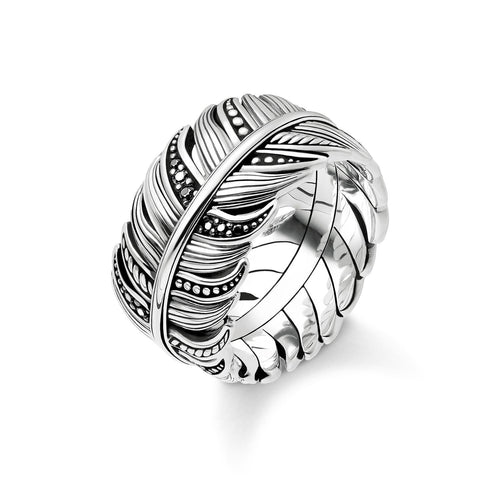
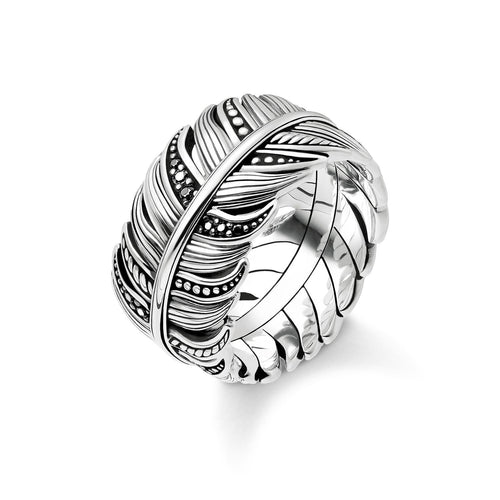
Rings are where people often overestimate how much is needed. A strong ring stack does not mean every finger has to be covered. Leaving negative space keeps the look more expensive and easier to wear.
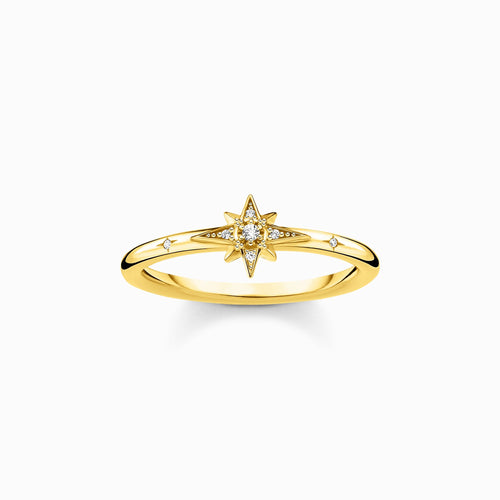
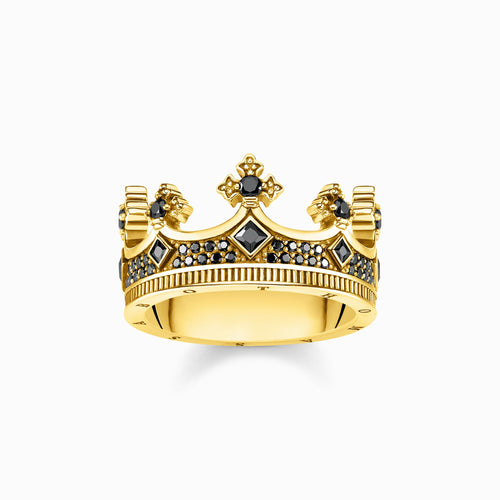
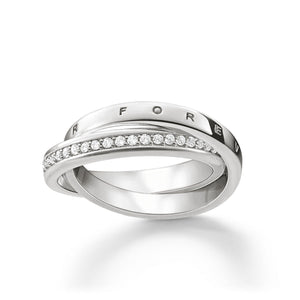
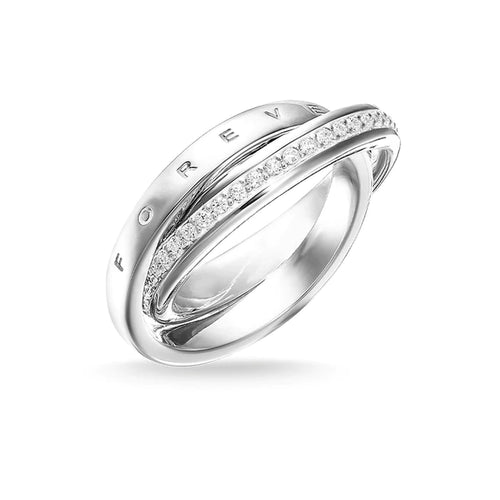
A practical approach is to choose one feature finger, usually the index or middle finger, and build from there. Add one or two simpler bands on nearby fingers, then stop. If you are wearing a statement ring with stones, balance it with plain bands instead of adding more detail everywhere else.
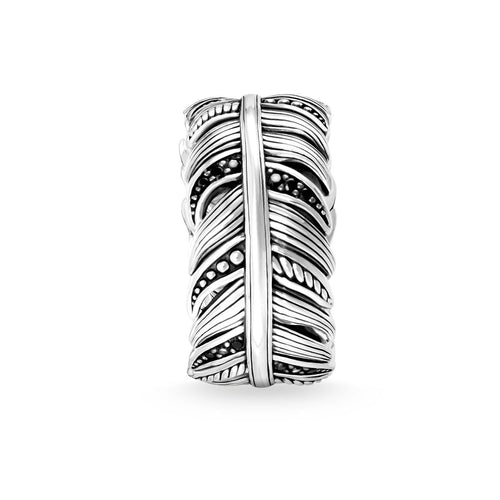
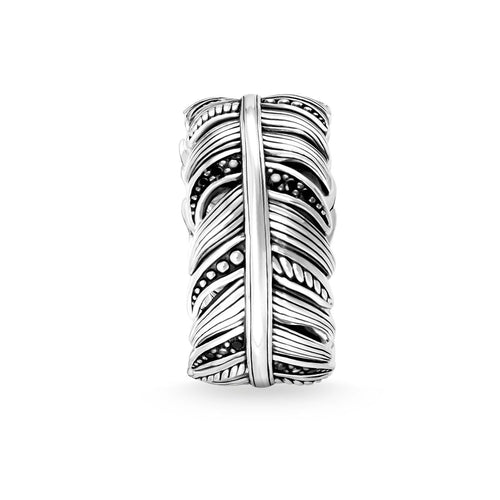
Finger shape and hand size make a difference too. Slim bands stacked together can elongate shorter fingers. Broader rings often suit longer fingers or work best when worn alone. There is no universal formula, which is why trying combinations in natural light matters more than following trends blindly.
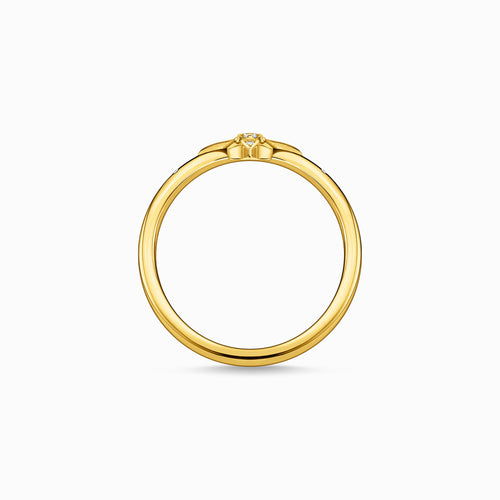
And if a ring stack includes pieces you wear daily, fit matters just as much as style. Rings that rub awkwardly against each other or sit too tightly when stacked need adjusting. Jewellery should look good, but it should also be wearable beyond ten minutes.
Mixing metals, stones and textures
One of the best things about modern layering is that it no longer has to be perfectly matched. Gold with silver, polished metal with pearls, fine chains with chunkier links - all of that can work. The key is repetition.
If you mix metals, repeat each tone at least once so it looks intentional. For example, a two-tone watch can tie together silver bracelets and a gold ring. If you add pearls to a necklace stack, echo that softness with a pearl ring or earring rather than dropping in a completely unrelated detail.
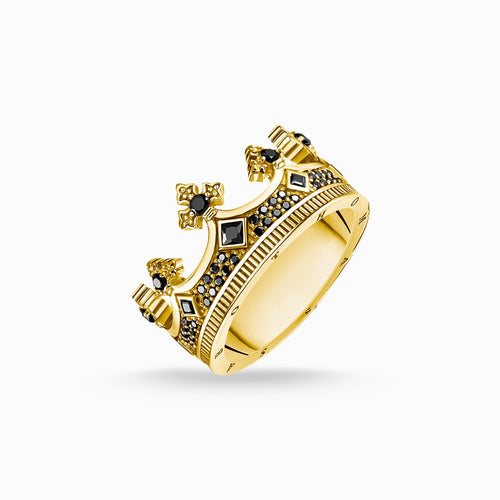
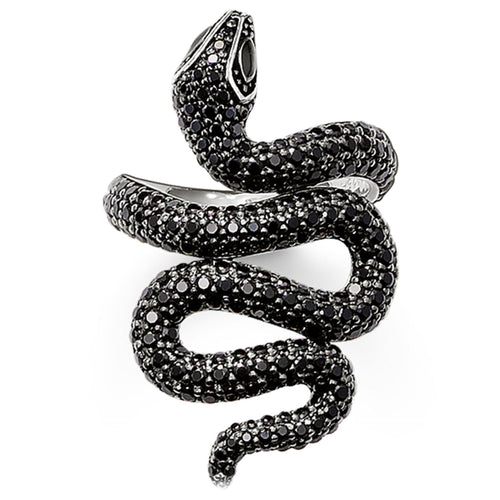
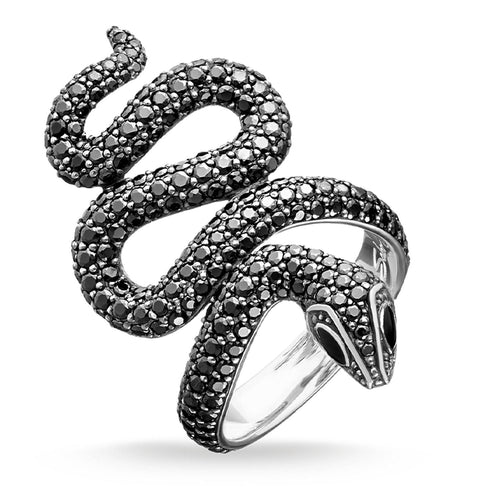
Stones add colour and personality, but they change the mood of a stack quickly. Clear stones feel versatile and dressy. Black stones look sharper and more graphic. Coloured stones can be excellent, especially for occasionwear, though they are usually easiest to style when the rest of the jewellery stays fairly restrained.
Match the layering to the occasion
Everyday layering should survive a full day of wear. That means fewer pieces, smoother profiles and combinations that do not need constant adjusting. A fine necklace stack, a watch with one bracelet, and two or three rings is often more than enough.
For work, cleaner lines usually win. You want jewellery that adds polish, not distraction. For weekends, you can loosen the rules and add chunkier chains or more playful shapes. Evening looks can handle more shine, more contrast and one stronger statement.
This is where a practical wardrobe mindset helps. Instead of building one dramatic stack you rarely wear, create two or three reliable combinations you can reach for quickly. That gives you consistency without making your jewellery feel repetitive.
When less is the smarter choice
Layering is useful, but not mandatory. Some outfits and some pieces are better on their own. If your earrings are bold, your necklace stack may not need to happen. If your dress has heavy embellishment, a watch and one ring may be enough.
There is also the question of wear and tear. Constant rubbing between chains, bracelets and rings can affect finishes over time. Clasps loosen, links catch, and stones may need checking. That does not mean you should avoid layering - it just means you should treat your jewellery as something to maintain, not disposable styling.
A professionally checked clasp, resized ring or repaired chain can bring favourite pieces back into regular rotation. That is often smarter than replacing jewellery you already love just because it is not sitting properly anymore.
Building your own signature stack
The most effective guide to women’s jewellery layering ends with personal style, not rules. Trends can point you in the right direction, but the combinations that really work are the ones you reach for without overthinking. Maybe that is a sleek watch with a slim bracelet and signet ring. Maybe it is layered chains with one sentimental pendant you never take off.
Start small, edit hard, and pay attention to proportion. If a stack feels too busy, remove one piece. If it looks flat, add contrast in length, texture or finish. And if a piece is beautiful but uncomfortable, repair it, resize it or save it for another outfit.
The best layered jewellery does not look accidental, and it does not look forced either. It looks like you know exactly what belongs together. That is the point - not more jewellery, just better choices.
Gift Ideas For You