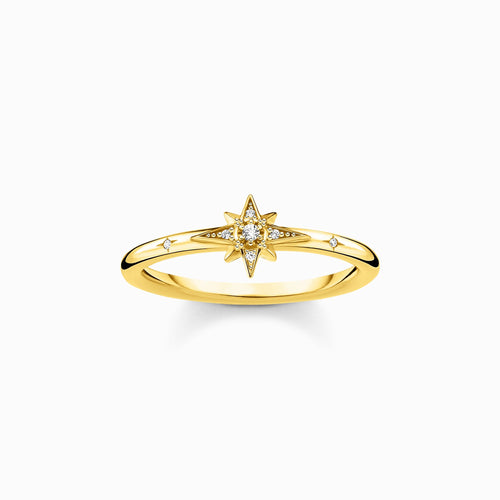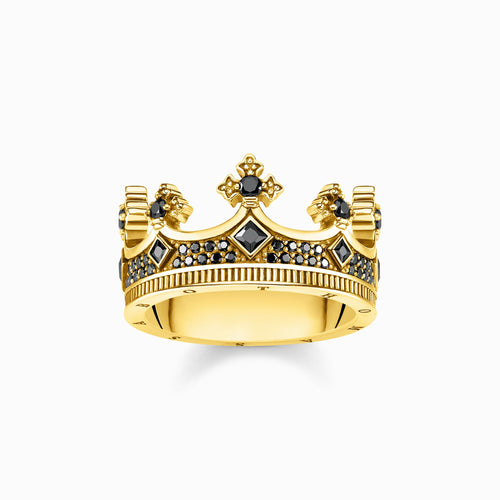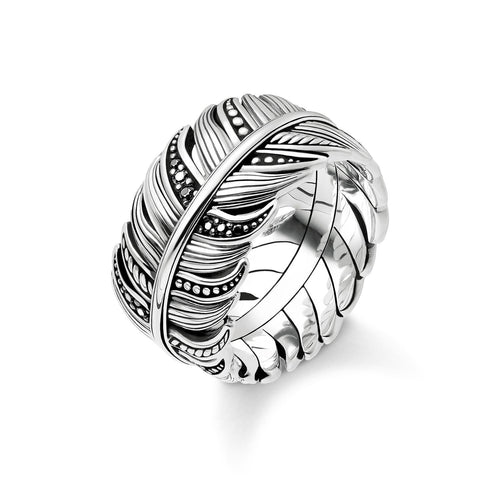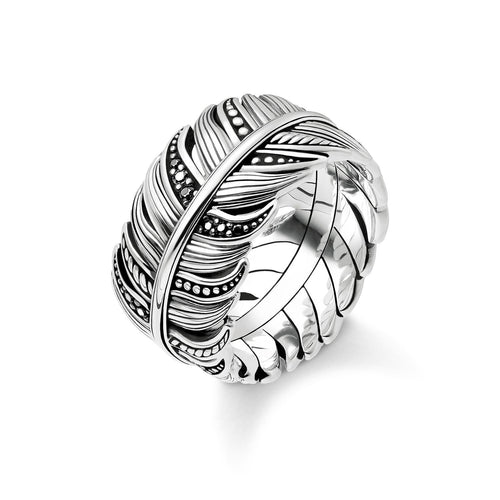

A name on a bracelet can feel thoughtful. The wrong font, the wrong metal, or a message that is too long for the piece can make it feel rushed. If you are wondering how to choose engraved jewellery, the best place to start is not the engraving itself - it is the person who will wear it, how often they will wear it, and what the piece needs to do day after day.
Engraved jewellery works best when style and practicality line up. A beautiful message matters, but so does legibility, durability and comfort. Whether you are buying for a birthday, anniversary, graduation or new baby, the strongest choice is usually the one that looks good before engraving and becomes more meaningful after it.
Start with the wearer, not the wording
Many people begin with the message they want engraved. That makes sense emotionally, but it can lead to poor choices. A long phrase might not suit a slim bangle. A romantic message may feel too personal for someone who prefers understated jewellery. A date might be perfect on a pendant but awkward on a ring that has limited internal space.
Instead, think about their usual style first. Do they wear silver-toned pieces every day, or do they lean towards yellow gold and warmer finishes? Are they minimal, trend-led, classic, or a bit bolder with layered chains and statement rings? Engraving should personalise their style, not compete with it.
This matters even more if the piece is meant for regular wear. Daily jewellery needs to match the rest of their wardrobe and fit naturally into their routine. If they already wear sleek, contemporary pieces, an engraved necklace with a clean shape and simple finish will usually do more work than something ornate.
How to choose engraved jewellery by piece type
The type of jewellery changes what engraving will look like and how it will wear over time. There is no single best option. It depends on what you want the piece to say and how visible you want that message to be.
Necklaces and pendants
Pendants are one of the easiest options for engraving because they often give you a clear surface area to work with. They suit initials, dates, short words and simple coordinates particularly well. If the recipient likes layering necklaces, keep the pendant size balanced so it does not overpower other pieces.
The benefit here is versatility. A pendant can feel personal without being too intimate, which makes it a strong gift choice for partners, parents, siblings and friends.
Bracelets and bangles
Bracelets can carry engraving beautifully, especially if you want a more discreet message. Some people prefer the engraving on the inside for a private detail, while others want it visible on a plate-style bracelet. The trade-off is space. Delicate bracelets may only suit a few characters, so it helps to keep the message concise.
Fit matters here more than people expect. If a bracelet spins constantly or sits awkwardly, even a lovely engraving can get lost.
Rings
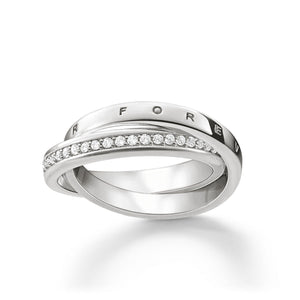
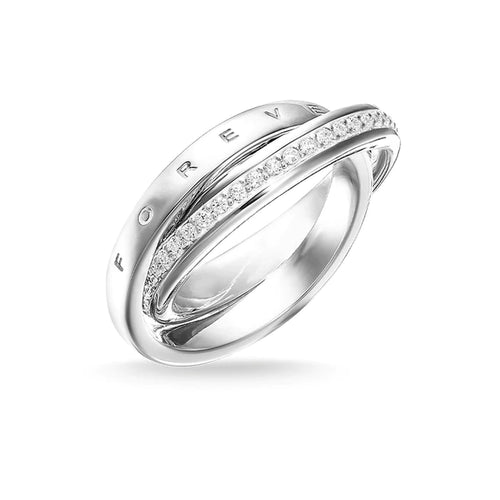
Engraved rings often feel the most personal. They are ideal for initials, meaningful dates or short phrases, especially inside the band. The challenge is that rings offer limited room, and narrower bands reduce that space further. If your message is the priority, a ring may not be the best format.
Earrings
Earrings are less commonly engraved, simply because there is rarely enough surface area to make the detail worthwhile. If personalisation is central to the gift, necklaces, bracelets and rings usually offer better results.
Choose a metal that suits real life
If you want the engraving to last, the base material matters as much as the wording. This is where a lot of gift buyers go wrong. They focus on the emotional side and forget that jewellery still has to handle skin, movement, storage and regular wear.
Sterling silver remains a popular choice because it is versatile, stylish and suits a wide range of looks. It can develop tarnish over time, but that is manageable with proper care. Gold-plated pieces can look sharp and fashion-led, though they may show wear sooner than solid gold depending on how often they are worn and how they are cared for.
For someone who wants an everyday piece, durability should carry more weight than trend. If they work with their hands, exercise in jewellery, or rarely remove accessories, choose something that can cope with that lifestyle. A softer or heavily plated finish may still be right, but only if expectations are realistic.
If the piece is a milestone gift, it may be worth stepping up to a more enduring material. The engraving is meant to hold meaning for years, so the jewellery itself should not feel temporary unless that is part of the brief.
Keep the engraving short enough to work
A good engraving feels precise. A bad one often feels crowded. The strongest messages are usually the simplest: initials, a date, a short phrase, a nickname, or a few words with genuine meaning.
Longer is not more thoughtful. In fact, trying to fit too much onto a small surface often reduces the impact. The text can become hard to read, the spacing can look forced, and the whole piece may lose the clean finish that made it appealing in the first place.
If you are deciding between several message options, say each one out loud and imagine seeing it in tiny lettering. Does it still feel strong? Does it still sound natural? If not, shorten it. You want a message that lands quickly and stays meaningful over time.
Think carefully about font and finish
This is where personalisation can become either polished or gimmicky. Script fonts may look romantic, but they are not always easy to read, especially on smaller pieces. Block capitals can feel modern and clear, though sometimes less soft or sentimental. Lowercase can look contemporary, but it depends on the design of the jewellery.
There is no universal rule. The right font should suit both the message and the piece. A sleek pendant may suit a cleaner finish, while a sentimental bracelet could work beautifully with a softer style of lettering.
You should also consider contrast. On some finishes, engraving appears subtle and understated. On others, it stands out immediately. Neither is better. It comes down to whether you want the message to be a visible design feature or a quieter personal detail.
Match the engraving to the occasion
A gift for a 21st, wedding anniversary or new arrival does not need the same tone. The occasion should shape both the jewellery and the message.
For milestone birthdays and graduations, initials and dates tend to age well. They feel commemorative without becoming overly specific to a short phase of life. For anniversaries, a private phrase or meaningful date often works best, especially on a ring or bracelet. For a parent gift, names or birth dates can feel more personal than a generic message.
There is also value in restraint. Some moments call for sentiment, but too much detail can date a piece or make it harder to wear beyond the occasion itself. The best engraved jewellery still feels stylish a year later, not just emotionally relevant on the day it is given.
How to choose engraved jewellery for everyday wear
If the piece is going to be worn often, comfort and maintenance matter just as much as design. Smooth edges, sensible sizing and a practical clasp can make the difference between a favourite piece and one that stays in the box.
This is particularly important for bangles, chain bracelets and necklaces. If the clasp is fiddly, if the chain catches on clothing, or if the plate sits awkwardly, the engraving will not save it. Personalisation adds value, but it cannot fix a poor base piece.
It is also worth thinking about future care. Jewellery may need cleaning, resizing or repair over time, especially if it is worn regularly. Choosing a quality piece from a retailer with real service capability gives you a better chance of keeping it looking right long after the gift moment has passed. That is one reason many customers prefer buying from specialists such as Watch Express, where engraving sits alongside on-site jewellery services rather than as an afterthought.
Avoid the common mistakes
The most common mistake is choosing a piece purely because it can be engraved. Not every engravable item is worth engraving. Start with whether the jewellery itself is stylish, wearable and well made.
Another mistake is overloading the message. Keep it clean. A date, initials or a few carefully chosen words usually carry more weight than a sentence trying to explain everything.
Finally, do not ignore lead time and accuracy. Double-check spelling, dates and names before approving any engraving. Personalised jewellery is special partly because it is specific, so details matter.
Engraved jewellery is at its best when it feels effortless - a strong piece, a clear message, and a fit that suits real life. Get those three things right, and the personal touch does not just look good on the day. It keeps its meaning every time it is worn.
Gift Ideas For You