

That dull, grey film on your favourite chain or ring does not mean it is ruined. Sterling silver naturally tarnishes over time, especially in Australia where heat, humidity, sunscreen, perfume and everyday wear all play a part. If you are wondering how to clean sterling silver jewellery without scratching it or stripping its finish, the good news is that most pieces can be brought back to life with a careful, simple approach.
The key is knowing what you are cleaning. Sterling silver is not pure silver - it is usually 92.5% silver mixed with other metals for strength. That makes it practical for daily wear, but it also means the surface can react to air, moisture and chemicals. Some tarnish wipes away easily. Some needs more patience. And some pieces should not be cleaned with popular home hacks at all.
How to clean sterling silver jewellery safely
For most sterling silver jewellery, the safest starting point is mild washing rather than aggressive polishing. Fill a small bowl with lukewarm water and add a few drops of mild dish liquid. Let the piece sit for a couple of minutes, then gently clean it with a very soft cloth or a soft-bristled baby toothbrush. Focus on creases, chain links and the back of settings where residue tends to build up.
Once the dirt has lifted, rinse the piece in clean lukewarm water and dry it properly with a soft, lint-free cloth. Do not leave sterling silver to air dry for too long, because water spots can mark the surface and trapped moisture can encourage further tarnish.
If the jewellery still looks dark, use a silver polishing cloth designed for sterling silver. This is often the best next step because it removes light tarnish without the mess of cream cleaners or the risk of rough abrasives. Rub gently rather than scrubbing hard. A good result usually comes from patience, not pressure.
When tarnish needs more than soap and water
Some pieces develop heavier tarnish, especially if they have been stored for months or worn around lotion, perfume or salt water. In that case, a dedicated silver cleaner can help, but only if the piece is suitable for it.
Read the product instructions first. That sounds obvious, but it matters. Some liquid dips work quickly on plain sterling silver and chains, yet they can be too harsh for jewellery with gemstones, oxidised detailing, glue-set elements or special plating. If a ring or pendant has blackened areas that are part of the design, an aggressive cleaner may remove the contrast you actually want to keep.
A silver cream is usually easier to control than a dip because you can work only on the tarnished metal areas. Apply a small amount with a soft cloth, clean lightly, then buff and rinse if the product directions require it. If you are dealing with branded or fashion-led jewellery, a cautious approach is always better than going straight for the strongest cleaner on the shelf.
The home methods people swear by - and when to skip them
You have probably seen the baking soda and aluminium foil method online. It can work on plain sterling silver by creating a chemical reaction that helps lift tarnish. For simple pieces with no stones, no glue, no enamel and no intentional oxidation, it may be effective.
But this is where it depends. That same method is not a smart choice for every piece in your jewellery box. Delicate chains, soft finishes, plated details, pearls, opals, porous stones and mixed-material jewellery can all be affected. If the piece is sentimental, branded, or more intricate than a plain silver bangle, the safer move is to avoid shortcut solutions.
Toothpaste is another common suggestion, and it is one of the easiest ways to create fine scratches. Even formulas that feel smooth can be too abrasive for sterling silver, especially polished or high-shine finishes. The same goes for rough cloths, paper towel and hard-bristled brushes.
Home methods are attractive because they are cheap and quick. The trade-off is control. Sometimes they work. Sometimes they leave you with a brighter piece. Sometimes they leave you with avoidable damage.
How to clean sterling silver jewellery with stones or special finishes
Jewellery is rarely just silver. Many pieces include cubic zirconia, crystals, pearls, enamel, gold plating or oxidised sections that create depth and contrast. These details change how the piece should be cleaned.
If your sterling silver jewellery has gemstones, stick to mild soapy water and a soft cloth unless the care instructions say otherwise. Avoid soaking porous stones or anything glue-set for too long. Pearls deserve even more care - wipe them gently and keep them away from silver dips and chemical cleaners altogether.
Gold-plated sterling silver, often sold as vermeil or simply plated silver, also needs a lighter hand. Tarnish on the underlying silver can be frustrating, but harsh polishing can wear away the plated layer. Clean it gently, dry it thoroughly and stop if you notice the finish changing.
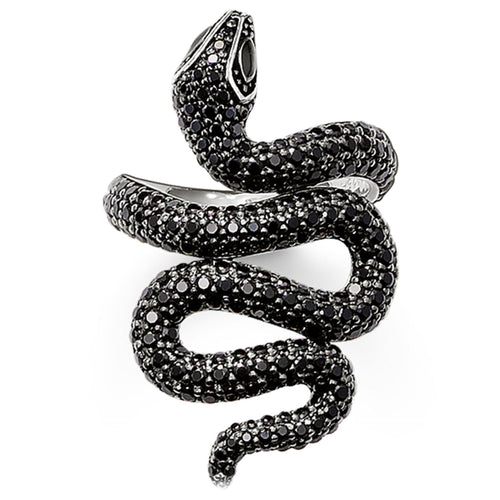
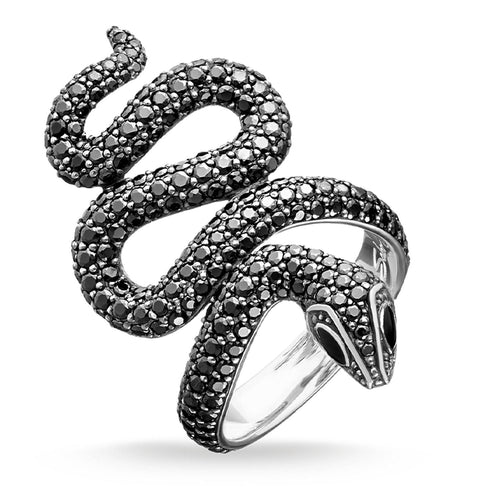
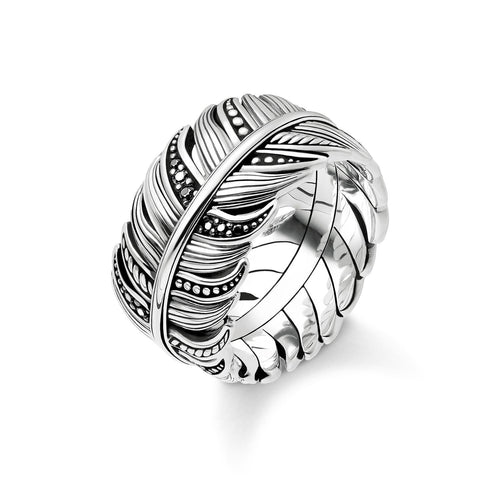
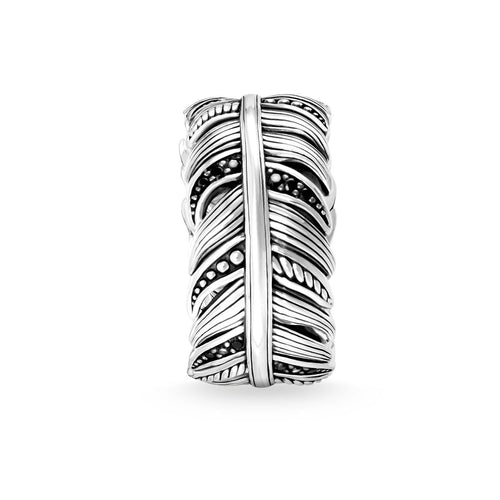
Oxidised sterling silver is meant to have darker detailing. If you polish it too aggressively, you can strip out the design contrast that gives the piece its character. In that case, clean surface grime only and avoid full-surface polishing unless you want a brighter, more uniform finish.
What causes sterling silver to tarnish so quickly?
Tarnish is not always about poor quality. Often, it is just about exposure. Sterling silver reacts to sulphur compounds in the air, but daily habits speed the process up. Perfume, body lotion, sunscreen, sweat, chlorinated water and cleaning products all leave a mark over time.
Storage matters too. Leaving jewellery in the bathroom, on an open tray or tangled at the bottom of a bag is asking for faster dulling and more scratches. Silver does best when it is kept dry, separated and protected from air as much as possible.
Even your skin chemistry can make a difference. Some people notice their rings or chains tarnish faster than others, and that is not unusual. If you wear a piece every day, it may need more frequent but gentler cleaning.
The best way to keep sterling silver jewellery looking new
Cleaning is only half the job. Maintenance is what keeps you from needing a deep clean every few weeks. After wearing your jewellery, give it a quick wipe with a soft cloth before putting it away. That removes oils and product residue before they settle on the surface.
Store pieces separately so chains do not knot and harder items do not scratch softer finishes. Anti-tarnish pouches or lined jewellery boxes are worth it if you own several silver pieces or rotate your jewellery often. Keep them away from direct humidity and do not store them in the bathroom.
It also helps to put jewellery on last when getting ready and take it off first when swimming, showering, training or cleaning. These small habits make a bigger difference than most people expect.
When to stop cleaning at home
There is a point where home care stops being the smart option. If a clasp is loose, a chain is kinked, a stone feels unstable, or the silver has gone beyond surface tarnish into visible wear, polishing harder will not fix the problem. It may make it worse.
The same goes for heirloom pieces, engraved jewellery, or items with a sentimental or brand value you do not want to risk. Professional cleaning is not just about making jewellery shine. It can also identify weak settings, worn links and repair issues before they turn into a lost stone or a snapped chain.
For customers who want both style and proper care, having access to on-site jewellery service matters. Watch Express is built for that practical side of ownership too, especially when a piece needs more than a wipe and polish.
A simple cleaning routine that works
If you want a realistic approach, keep it straightforward. Clean lightly and often rather than waiting for heavy tarnish. Use lukewarm water, mild soap and a soft cloth for routine care. Bring in a silver polishing cloth when the shine drops. Treat dips, pastes and home chemistry tricks as occasional tools, not the default.
That approach is slower than a viral hack, but it is far safer for the jewellery you actually wear and want to keep. Sterling silver is made to be enjoyed, not hidden away until it darkens beyond recognition. Look after it properly, and even your most-worn pieces can keep their shine without losing their character.
Gift Ideas For You